The Complete Guide to Custom Display Cabinets for International Brands
Expanding a retail brand internationally is a monumental task. Beyond the logistics of supply chain and staffing, maintaining a consistent brand image across different continents is crucial. Your physical store environment—anchored by your display cabinets—is the most tangible representation of your brand.
This guide explores how international brands can successfully navigate the complexities of designing and deploying custom display cabinets globally.
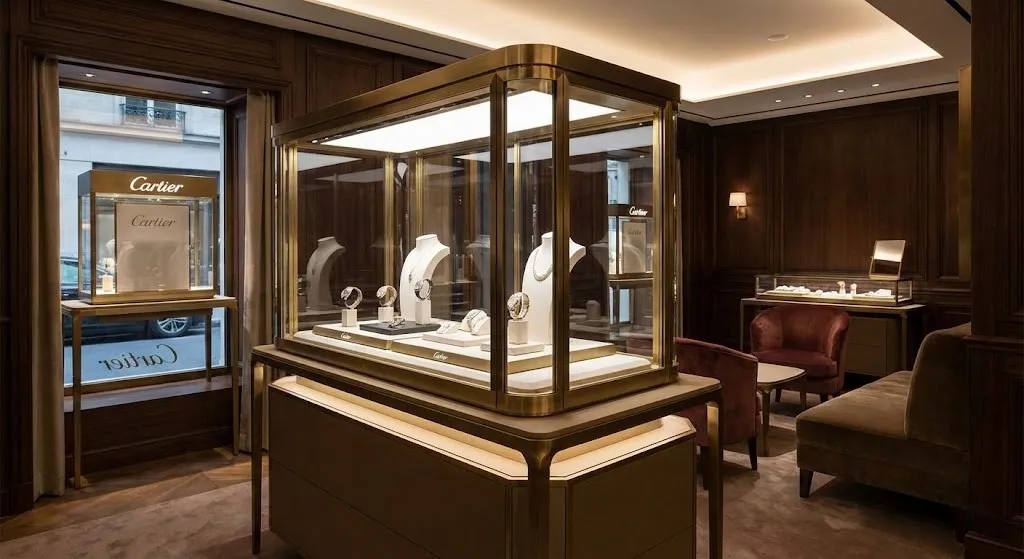
1. Balancing Consistency with Local Adaptation
The "Cookie-Cutter" approach doesn't always work. While your flagship store in New York might have 500 square meters, your boutique in Tokyo might only have 50.
- The Solution: Develop a modular design language. Create a "kit of parts"—standardized cabinet modules that can be mixed and matched to fit various floor plans while maintaining the same materials, finishes, and lighting specs.
2. Navigating International Regulations
Different regions have different standards. Electrical certifications (UL for USA, CE for Europe), fire safety ratings for materials, and even accessibility requirements (ADA) vary wildly.
- The Tip: Work with a manufacturer who understands these global standards. Ensure your LED drivers are universal voltage (110V-240V) and your materials meet the strictest emission standards (like CARB Phase 2 for wood products).
3. The Logistics of Shipping: Flat-Pack vs. Pre-Assembled
Shipping fully assembled cabinets across the ocean is shipping mostly air. It drives up costs and increases the risk of damage.
- The Strategy: Design for "Knock-Down" (KD) or flat-pack assembly. High-quality engineering allows cabinets to be shipped flat and assembled on-site with minimal tools, saving up to 70% on shipping volume.
4. Quality Control at the Source
When your headquarters are thousands of miles away from your factory, ensuring quality is difficult. A slight variation in wood stain or metal finish can dilute your brand identity.
- The Fix: Establish a rigorous approval process. Request "Golden Samples" of all finishes before mass production. Use third-party inspection agencies or choose a manufacturing partner with a transparent, documented QC process.
5. Sustainability on a Global Scale
Global consumers are increasingly eco-conscious. Using sustainable materials isn't just good ethics; it's good business.
- The Trend: Opt for FSC-certified wood, recycled acrylics, and low-VOC finishes. Ensure your manufacturer can provide the necessary chain-of-custody documentation to prove your sustainability claims to customers in strict markets like the EU.
At Displon, we have years of experience helping international brands roll out custom display solutions across the globe. From engineering flat-pack designs to managing complex logistics, we are your partner in global retail expansion.